
Porcelain tiles for countertops: Questions and Care
05/09/2023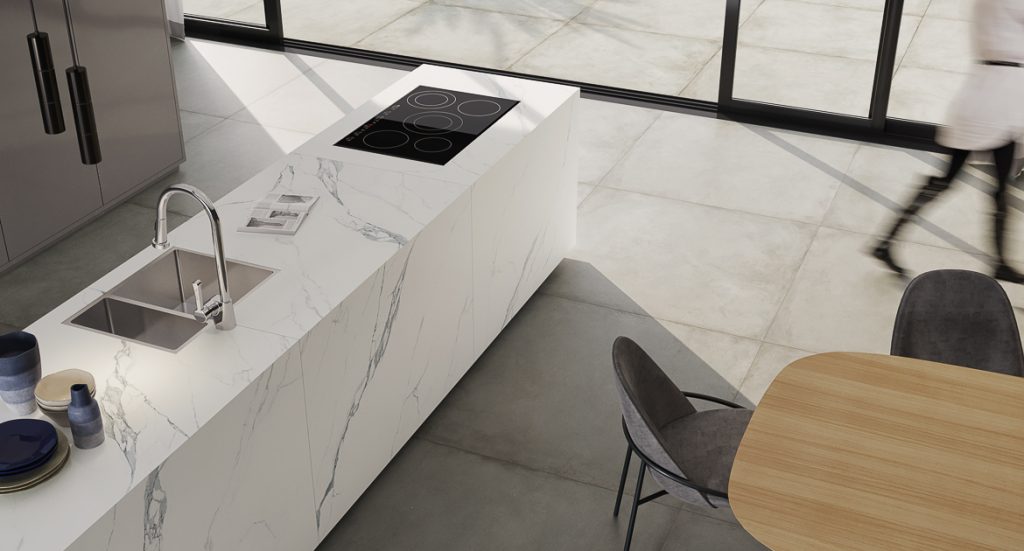
The use of porcelain tiles for countertops has started to become more popular in recent decades as advances in porcelain tile manufacturing technology have allowed the creation of larger, sturdier pieces.
Porcelain tile is appreciated for its durability, stain resistance, ease of cleaning and variety of design options. These characteristics make it an attractive choice for countertops in kitchens, bathrooms, and fireplaces.
The popularity of porcelain tiles for countertops has increased over the years, especially as people look for alternatives to traditional materials such as granite and marble.
What type of furniture and countertops can I make with porcelain tiles?
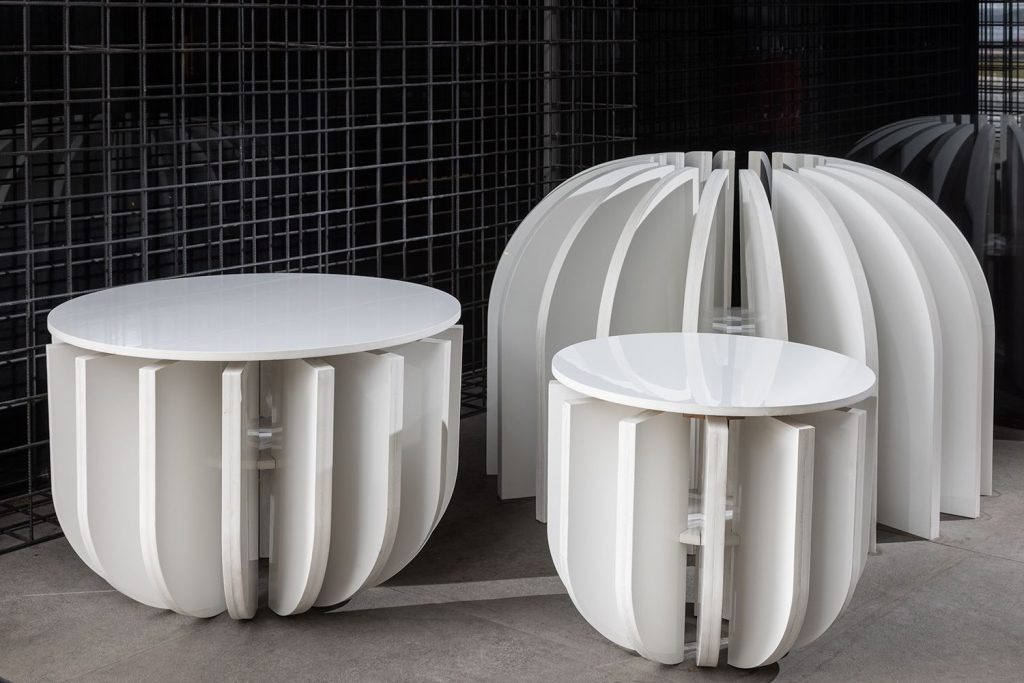
Porcelain tiles are a versatile material that can be used to create different types of furniture. Its durability, stain resistance, and variety of colors and textures make it an attractive choice for interior design projects.
Here are some types of furniture that can be made with porcelain tiles:
1. Islands and Kitchen Countertops: Porcelain tile is often used to create kitchen countertops due to its resistance to stains and heat. You can choose from a variety of colors and patterns to match your kitchen's aesthetic.
2. Dining table: A dining table with a porcelain top can be an elegant and practical option. Porcelain tile is easy to clean and can withstand daily wear and tear.
3. Center Table: Many customers are opting for porcelain tiles to create coffee table tops. The surface can be customized with different patterns and colors.
4. Mesa Lateral: Small side tables with porcelain tile tops are an elegant way to add a touch of sophistication to the living room.
5. Bookcases and Shelves: Bookcases with porcelain shelves can be used to display decorative objects or to store items. They can be done directly on the TV panel, also covered with porcelain tiles.
6. Benches and Seats: Some furniture, such as benches or seats in living areas or gardens, you can use non-slip or satin porcelain tiles.
7. Bathroom Furniture: Porcelain tiles are often used in bathroom furniture, such as sinks and countertops, due to their resistance to moisture. Nowadays, many porcelain professionals produce furniture with holders for toilet paper, toilet brushes and towel holders.
8. Outdoor Furniture: For outdoor areas, such as patios and balconies, furniture with porcelain tops can be a durable and elegant choice.
9. Custom Furniture: You can also create personalized furniture, such as coffee tables or sideboards, made to measure, with the porcelain of your choice.
10. Fireplaces: Mobile or fixed, electric or gas. Professionals can create fireplaces of any size, without having to renovate or clean up your living room or bedroom.
Remember that porcelain tiles are relatively heavy, so it is important to ensure that the structure of the furniture is robust enough to support it.
Additionally, installing porcelain tiles requires specific skills, so you may need a qualified professional to help with the construction of these pieces of furniture.
Can I use any porcelain tile for the countertop?
It is not advisable to use any type of porcelain to create a kitchen or bathroom countertop. It is important to choose the right type of porcelain tile, specifically designed for countertop applications. There are some important considerations to be made when selecting porcelain tiles for this purpose:
1. Wear Resistance: Make sure the porcelain tile you choose is classified as “porcelain tile with good wear resistance”. This will ensure the surface is durable enough to withstand daily use and cleaning.
2. Stain Resistance: Choose a porcelain tile with good resistance to stains and chemicals. Countertops are subject to spills from liquids, food and cleaning products, so stain resistance is crucial.
3. Heat Resistance: If the countertop is in a kitchen, make sure the porcelain tile is heat resistant. Although porcelain tiles are naturally heat resistant, excessive exposure to high temperatures can damage the surface.
4. Suitable Thickness: Check that the porcelain tile is the appropriate thickness for your case. Today, porcelain tiles can vary from 7mm to 1.5 cm, check with a professional in the area which is best suited for you.
5. Edge Finish: Consider finishing the edges of the countertop. Porcelain tiles can be cut and polished to create elegant, functional edges.
6. Style and Design: Choose a porcelain tile that fits the overall style and design of the space. There is a wide variety of colors and textures available on the market. And also sizes, the larger the porcelain tile, the fewer seams will appear in your environment.
7. Professional Installation: Installing a porcelain countertop requires specific skills. It is highly recommended to hire a qualified professional to ensure proper installation.
Remember that porcelain countertops can be a durable and attractive option, but choosing the right porcelain tile is critical to ensuring your functionality and longevity. Be sure to discuss your needs and preferences with your porcelain professional or our trained salespeople.
Which size should I choose?
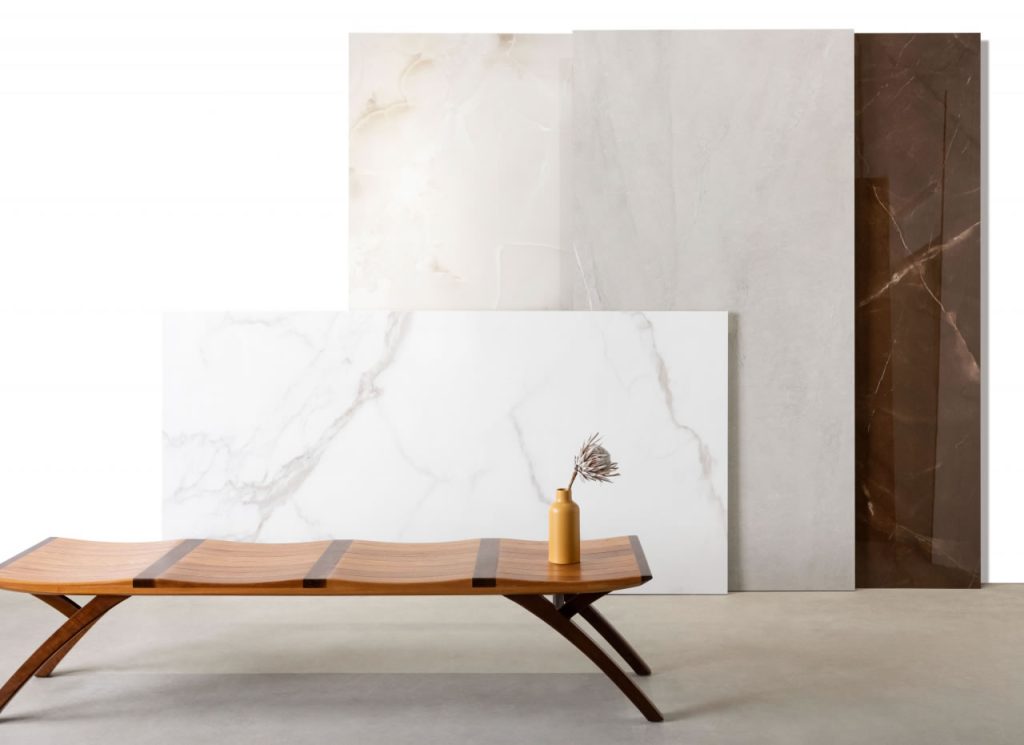
The size of porcelain tile chosen for countertops can vary depending on personal preferences and the overall design of the space. However, there are common porcelain tile sizes used for countertops. Here are some popular options:
1. Standard Size: Standard sizes of porcelain tiles for countertops generally range from 60×60 centimeters to 90 x 90 centimeters. These sizes are suitable for most countertop applications and provide a contemporary look.
2. Large Formats: Large format porcelain tiles, such as 60×120 centimeters to 120×370 centimeters, or even larger, are becoming popular for countertops. They offer a modern look and can create a continuous, sleek surface with fewer visible joints.
The choice of size will depend on the dimensions of your countertop, the style of the room and personal preferences. Here are some tips to consider:
– Space Size: Take into account the size of the area where the countertop will be installed. A very large porcelain tile can have many cuts and poor use of the piece, while a large space can accommodate larger sizes.
– Aesthetic Design: Consider the overall design style of your kitchen or bathroom. Larger porcelain tile sizes can create a more contemporary look, while smaller sizes can be more traditional.
– Installation Practicality: Larger sizes of porcelain tiles may require more care during installation due to their weight and the need for proper leveling. Be sure to discuss installation implications with the responsible professional.
– Costs: Larger pieces of porcelain tile are generally more expensive per square foot than smaller pieces. Consider your budget when choosing size.
Remember that choosing the size of the porcelain tile must meet your practical and aesthetic needs, as well as adapt to the available space.
It is advisable to work with an interior designer or porcelain professional to help make the right decision based on your specific situation.
What color porcelain tile is most used?
Choosing the best porcelain tile color for a countertop depends on the overall style of the space, personal preferences, and how you want the countertop to blend into the space. There is no single color that is the best, as this varies according to the individual taste it's at desired aesthetic. However, here are some considerations to help you choose the color of porcelain tile for your countertop:
1. General Style of the Environment: Consider the overall design style of the space where the countertop will be installed. Colors that complement the existing color scheme or that fit into the prevailing style can be a good choice. For example, in a rustic style kitchen, earthy and neutral tones may be appropriate, while in a modern environment, you may opt for bolder, more contrasting colors.
2. Neutral Colors: Such as white, gray, beige and black are popular choices for porcelain tile countertops. They tend to be versatile and timeless, pairing well with a variety of decors and color schemes.
3. Contrast: You can choose a porcelain tile color that creates contrast with the other elements in the room. For example, if the walls and cabinets are predominantly light, a dark countertop can add a dramatic touch, and vice versa.
4. Coordinated Colors: If you want a cohesive and harmonious appearance, you can choose porcelain tiles that have similar or complementary colors to the existing colors in the space.
5. Amplitude Effect: In small spaces, lighter colors, such as white or soft shades of gray, can create a feeling of spaciousness and luminosity.
6. Timeless Colors: If you're concerned about design durability, consider timeless colors that don't go out of style easily. Neutral and natural colors are usually a safe choice in this regard.
7. Maintenance: Keep in mind that darker colors may be more likely to show fingerprints and water marks. Lighter colors can be more forgiving in this regard.
8. Lighting: Consider how the lighting in the space will affect the appearance of the porcelain tile color. Natural and artificial lighting can alter color perception.
The best porcelain tile color for your countertop will depend on your aesthetic preferences and the characteristics of the space in which it will be installed.
It is advisable to personally choose the colors and designs of the porcelain tiles to see how they fit into the environment before making a final decision. Additionally, consulting an interior designer or porcelain professional can be helpful for personalized guidance.
Who can make porcelain countertops?
The porcelain tile installation service for countertops and sinks is generally carried out by professionals specialized in installing floors, tiles and coverings, as well as by bricklayers or marble workers experienced in working with stone and porcelain tiles.
Here are some options for finding qualified professionals to perform this type of service:
1. Construction Contractors: Building contractors often have teams of professionals who can handle installing porcelain tiles on countertops and sinks, as well as other construction and remodeling tasks.
2. Marble or Porcelain works: Marble and porcelain shops often have experience installing porcelain tiles. They can provide the entire installation service, from design to the correct product selection.
3. Interior Design Companies: Interior design companies often partner with tiling experts who can help with the selection and installation of porcelain tiles for countertops and sinks.
4. Online Search and Reviews: You can find independent contractors or construction and remodeling companies in your area by searching online. Checking reviews and recommendations from other customers can be helpful in finding a trustworthy professional.
When hiring a professional to carry out porcelain tile installation services for countertops and sinks, it is important to check their credentials, previous experience and portfolio of work.
Our store can recommend some porcelain professionals that we have as partners. Remembering that they are not store professionals, but rather referrals.
Be sure to discuss your requirements and expectations in detail with your chosen professional, including the type of porcelain tile you want, the design of the countertop, and any desired customization.
Proper installation is essential to ensure your porcelain countertop or sink looks beautiful and functional.
How do I keep my porcelain countertops in good condition?
Keeping your porcelain countertop or sink in good condition requires proper care and regular maintenance. Porcelain tile is a durable material, but following these guidelines will help prolong its beauty and functionality:
1. Daily Cleaning:
– Clean the countertop or sink regularly with a damp cloth or soft sponge to remove dust, dirt and food residue.
– Use warm water, neutral soap or soap to clean stubborn stains, followed by rinsing and drying with a clean cloth.
2. Avoid Abrasive Products:
– Avoid using abrasive cleaning products, steel wool or rough sponges, as these can scratch the surface of the porcelain tiles.
– Acidic cleaning products should also be avoided as they can damage the finish.
3. Protect Against Impacts:
– Avoid hitting kitchen utensils or heavy objects on the porcelain tile surface, as this may cause cracks or chips.
4. Use Pot Rests and Cutting Boards:
– When placing hot pans or cutting food directly on the counter, use pan rests and cutting boards to avoid damaging the surface.
5. Avoid Stains:
– Wipe up spills immediately to avoid stains. This is especially important for acidic substances such as lemon juice, wine or coffee that can stain porcelain tiles.
6. Avoid Aggressive Chemicals:
– Avoid using ammonia-based cleaning products, bleach or aggressive chemicals that could damage the surface.
7. Grout Cleaning: If the countertop or sink has grout between the porcelain tiles, keep it clean and sealed to prevent mold or discoloration.
8. Proper Drying: Always dry the surface after cleaning to prevent water stains from forming.
9. Immediate Repairs: If there is damage such as chips or cracks, contact a professional to make the necessary repairs.
Remember that regular maintenance is essential to preserving the appearance and functionality of your porcelain countertop or sink.
Follow the brand's guidelines and, if you have questions about cleaning or specific maintenance of your porcelain tiles, consult the specialized professional who carried out the service.
What product can I use to clean my countertop?
To clean a porcelain countertop, it is important to use gentle products that do not damage the surface. Here are some cleaning product options that are generally safe and effective for porcelain tile countertops:
1. Warm Water and Neutral Soap: A simple solution of warm water and mild soap is often sufficient for daily cleaning. Simply mix warm water with a few drops of neutral soap, apply to the counter surface and clean with a soft cloth or sponge. Then rinse well and dry with a clean cloth. You can also use creamy soap or powder.
2. Specific Cleaning Products for Porcelain Tile: There are cleaning products specifically formulated for porcelain tiles on the market. These products are designed to clean the surface without causing damage. Follow the manufacturer's instructions when using them.
3. Isopropyl Alcohol: Isopropyl alcohol can also be used to clean porcelain countertops. It is effective in removing grease and dirt stains. Apply it to a soft cloth and wipe the surface.
4. Sodium Bicarbonate and Water: For tougher stains, you can make a paste with baking soda and water. Apply the paste to the stain, let it act for a few minutes and then scrub gently with a soft-bristled brush. Rinse and dry well.
5. Diluted Alcohol Vinegar: In cases of hard water stains or limescale, you can use a solution of vinegar diluted in water. Mix equal parts water and white vinegar and apply the solution to the affected area. Leave it to act for a few minutes and then rinse and dry. It also helps to clean dirty grout.
Make sure avoid using abrasive cleaning products, steel wool or rough sponges, as they can scratch the porcelain surface. Also, avoid acidic cleaners such as bleach or ammonia-based products as they can damage the finish.
Always rinse the surface thoroughly after cleaning to remove any cleaning product residue. And remember to dry the countertop with a clean cloth to avoid water stains.
Your choice of cleaning product will depend on the type of dirt or stain you're dealing with, but generally a mild soap and warm water are sufficient for regular cleaning.
Can I install a cooktop on a porcelain countertop?
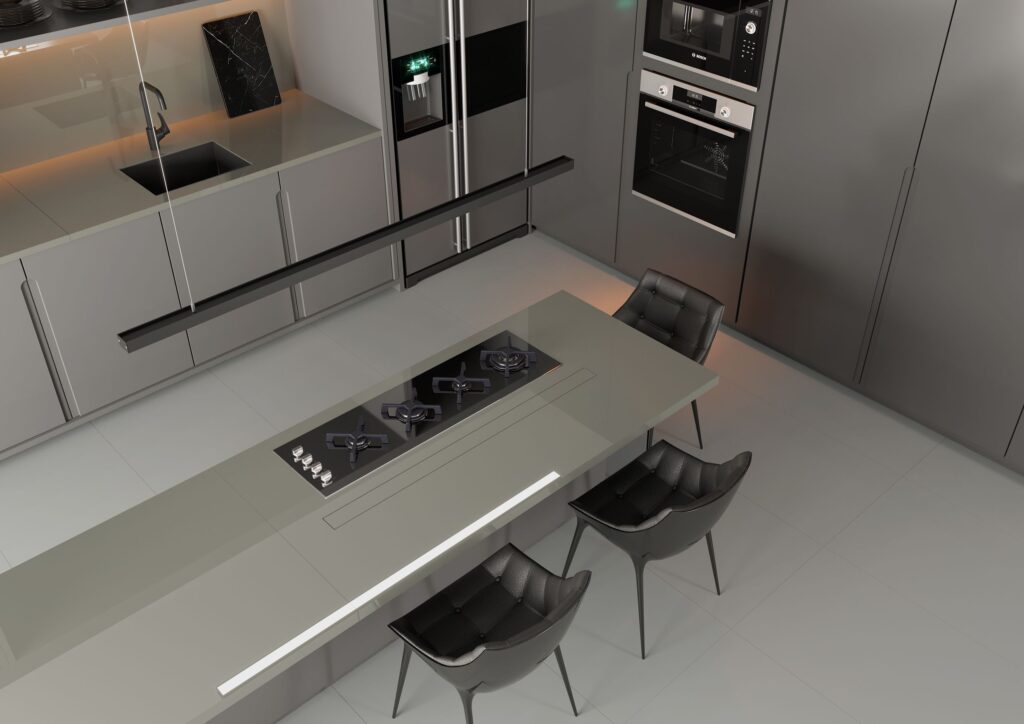
Yes, it is possible to install a cooktop on a porcelain countertop, as long as some specific precautions are taken during the installation process. Porcelain tile is a heat-resistant material, which makes it suitable for supporting a cooktop. However, here are some important considerations:
1. Proper Preparation: Make sure the porcelain countertop is level and properly prepared before installing the cooktop. This is essential to ensure the cooktop is installed stably and securely.
2. Dimensions and Support: Check the dimensions of the cooktop and countertop opening to ensure proper fit. Make sure the countertop has enough support for the weight of the cooktop and to withstand daily use.
3. Thermal Insulation: It is recommended to install thermal insulation or an insulating base between the cooktop and the porcelain tile. This helps protect the porcelain tile surface from excessive heat and prevents breakage due to thermal shock.
4. Proper Seal: Ensure there is an adequate seal around the perimeter of the cooktop to prevent water or dirt from infiltrating the area beneath the countertop.
5. Professional Installation: The cooktop installation must be carried out by a qualified professional, such as an electrician or an appliance installer, to ensure that it is done in accordance with safety standards and the cooktop manufacturer's specifications.
6. Regular Maintenance: After installation, follow the cooktop manufacturer's guidelines for proper cleaning and maintenance. This includes regularly cleaning the areas around the cooktop to prevent the build-up of dirt and residue that could damage the porcelain.
Keep in mind that although porcelain tiles are heat resistant, they can still be damaged by extremely high temperatures or sudden changes in temperature.
Avoid leaving pans hot directly on the porcelain tile surface and always use an appropriate pot rest. Also, be careful when handling hot pans and avoid thermal shocks, such as throwing cold water on a hot surface.
By following these guidelines and ensuring proper installation, you can enjoy a safe and functional cooktop on your porcelain tile countertop.
Can porcelain countertops get scratched?
Porcelain tile is known for its strength and durability, but it can still scratch under certain circumstances. The likelihood of scratches on a porcelain countertop depends on several factors, including:
1. Material Hardness: Porcelain tile is quite scratch-resistant, especially compared to softer materials like wood or laminate. However, its hardness may vary depending on the PEI (Wear Resistance Index) rating of the porcelain tile. Porcelain tiles with higher PEI ratings are more scratch-resistant.
2. Utensil Use and Care: Using kitchen utensils or hard objects directly on the countertop surface may cause scratches. Avoid cutting directly on the porcelain countertop and use cutting boards to protect it.
3. Cleaning and Maintenance: Using rough sponges or abrasive cleaners can cause scratches on the surface over time. Be sure to use mild cleaners and soft cloths to keep the countertop clean.
4. Adequate Protection: When preparing hot foods, use pot rests to prevent hot pots from coming into direct contact with the counter. Additionally, when handling hard or metallic objects, avoid dragging them across the surface.
5. Regular Maintenance: Keep your porcelain countertop well-maintained and avoid leaving particles of sand or dirt on the surface, as this can cause scratches when rubbed.
Keep in mind that while porcelain tiles are scratch-resistant, they are not completely scratch-proof. Therefore, it is important to take precautions and adopt proper care practices to preserve your countertop's appearance over time.
If light scratches occur, they can be disguised with porcelain-specific polishing products, but deeper scratches can be difficult to repair and may require professional assistance to repair or replace the countertop.
What type of porcelain tiles will I find at Piso de Pedra?
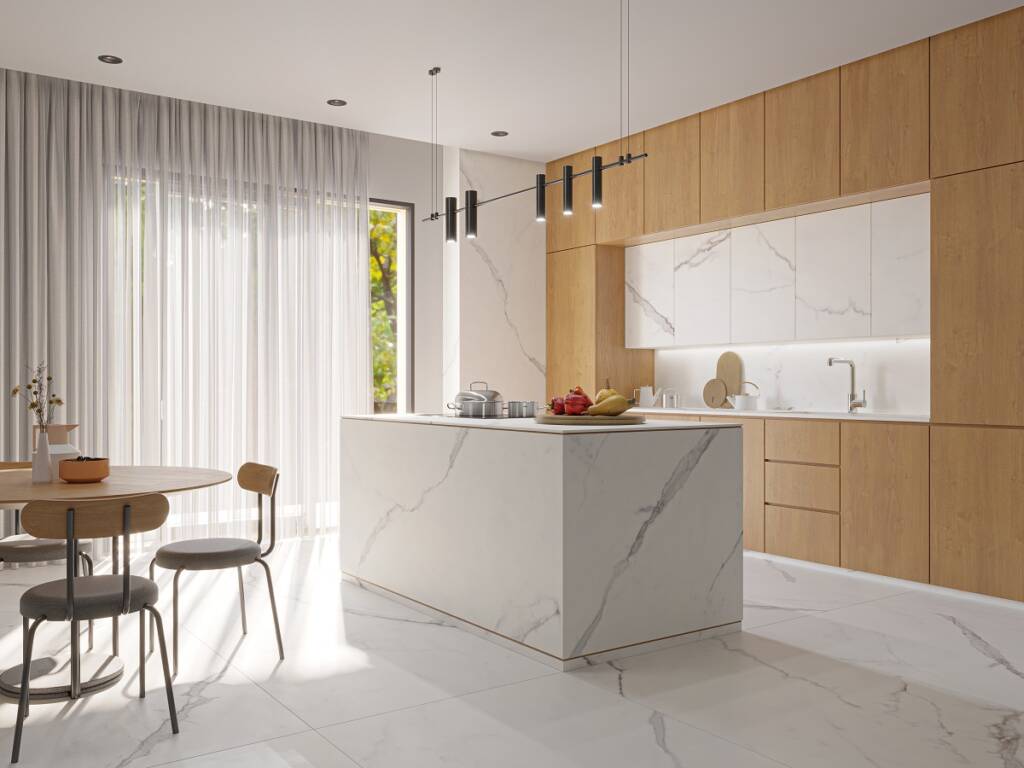
Our stores work with the best porcelain tile brands on the market. In our store Curitiba you will find the brands: Starting in, Roca, Eliane, Ceusa, Damme e Portinari. We have several options of large format porcelain tiles for countertops, islands and custom-made sinks.
From size 120×120 to 120×270, marbled or monochrome porcelain tiles, polished or satin. And we also work with technical porcelain tiles (single mass).
You can visit our store in person and see all our models.
Or check out some options in our online store that are on offer for immediate delivery. Click on the link to check it out: Large Format Porcelain Tiles
In our store Osasco you will find the brands: Incepa and Roca, Portinari, Ceusa and Damme.
In our store, you will find a wide range of high-quality flooring and coverings, as well as a dedicated team ready to help you choose the perfect option for your needs. We have the latest trends in interior design and competitive prices to fit any budget.
We are committed to offering the best product options to make your decorating and renovation projects even more special.
Information
Addresses:
Curitiba Store: Av. Mal. Floriano Peixoto, 8787 – Boqueirão, Curitiba – PR, 81730-000
Osasco store: Av. Pref. Longest Sanazar, 1235 – Umuarama, SP, 06030-095
Telephones:
Curitiba Store: (41) 3286-9954
WhatsApp: (41) 3378-3171
Osasco store: (11) 5464-1864
WhatsApp: (11) 5464-1864
Opening hours:
Curitiba Store: Monday to Friday from 08:00 to 18:00 and Saturday from 08:00 to 13:00.
Osasco store: Monday to Friday from 8:30 am to 6:00 pm and Saturday from 8:30 am to 12:00 pm.